
Our Ship Left Without Us: What I Learned About Cruise Travel Protection
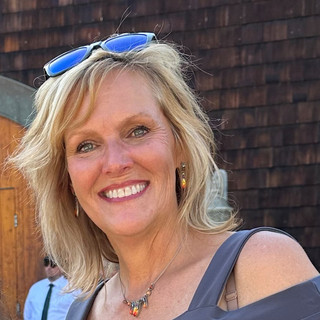
Written by Nanci Ott | Travel Advisor, Tinker Travel LLC
Our ship left the Cayman Islands while we were dealing with a broken leg and a hospital visit. The belongings from our cabin had been brought to the dock. Our cruise was continuing. We were staying behind.
We had not bought travel protection. Until that day, it had been an easy expense to set aside. Once my then-husband was injured, we had to arrange a hotel, flights home and medical expenses ourselves. The vacation we had planned had become a very different trip.
That experience changed the conversation I have with clients. Travel protection deserves a closer look than a quick yes or no beside the cruise fare. What matters is the risk you are comfortable carrying, and what a particular policy actually covers.
The part I had not planned for
We were on an MSC Caribbean cruise when my then-husband broke his leg in a skate park bowl in the Cayman Islands. Getting him out required help from people nearby and the skate park crew. An ambulance took us to the hospital, where we learned it was a spiral fracture.
The ship was notified. Our belongings were packed and delivered to the dock, and the ship sailed without us. Suddenly, we needed somewhere to stay and a way to get home, while also dealing with his injury.
The cost of the unfinished cruise was only one part of the problem. There were new arrangements to make at the same time we were trying to manage a difficult situation. Getting home did not end it, either: back in the United States, he spent 23 days in the hospital before surgery.
That is why I look beyond the money someone has already spent on a trip. An unexpected event can also create expenses and decisions that were never in the original travel plan.

Being able to lose the cruise fare is one question
Before recommending travel protection, I ask clients to think about whether they could comfortably lose the money they have paid if they could not travel. But an answer about the cruise fare does not settle the whole conversation.
Consider what would happen if the disruption came after departure. You might need medical care, extra nights in a hotel or different flights home. Those possibilities are worth thinking through before the trip, when you have time to compare your options.
I have been a travel advisor for nearly 20 years. I have seen plans change before departure and during a trip. I do not assume something will go wrong; I want the decision about protection to reflect the actual journey, rather than a feeling that nothing could happen.

Having coverage is the beginning of the conversation
Some travelers already have benefits through a credit card or an annual policy. That can be useful. The next step is to read what those benefits cover for the trip you are actually taking.
Trip cancellation, trip interruption, travel medical coverage and emergency transportation address different situations. The names alone do not tell you the limits, covered reasons, exclusions or requirements. A policy-specific question needs a policy-specific answer.
The National Association of Insurance Commissioners advises travelers to review coverage limitations and exclusions, including whether medical history or planned activities affect coverage. Timing can matter for some benefits, too. Confirm the terms and deadlines with the insurer or an appropriately licensed insurance professional before relying on them.
I am a travel advisor. My role is to make sure protection is part of the planning conversation and to help you identify questions to resolve. I cannot promise that a particular policy will pay a future claim.
The decision happens while everything still feels fine
Nobody boards a cruise expecting a hospital visit or a suitcase waiting on the dock. I certainly did not. That is what makes it so easy to decide protection can wait.
The useful moment to consider it is while you are making your travel arrangements. Look at what you have paid, what additional costs a disruption could create and what protection you already have. Then decide whether the remaining risk is one you want to carry.
You may choose to accept that risk. I want that to be an informed choice. The lesson I brought home from the Cayman Islands was that the price of the trip and the cost of a trip going wrong can be very different things.

Plan the whole journey with me
When we plan your cruise, we can discuss the flights, hotels, transfers and protection questions alongside the ship and itinerary. Tell me about the trip you are considering, and we can start with the arrangements that matter for you.
Watch the original story
About Nanci Ott

Nanci Ott owns Tinker Travel LLC and has nearly 20 years of travel-advisor experience. Her specialties include Antarctica expeditions and river cruises. Read more about Nanci and Tinker Travel.


Comments